2910 nm Fiber Laser and Laser-Coring: What the Registered Specifications Actually Confirm
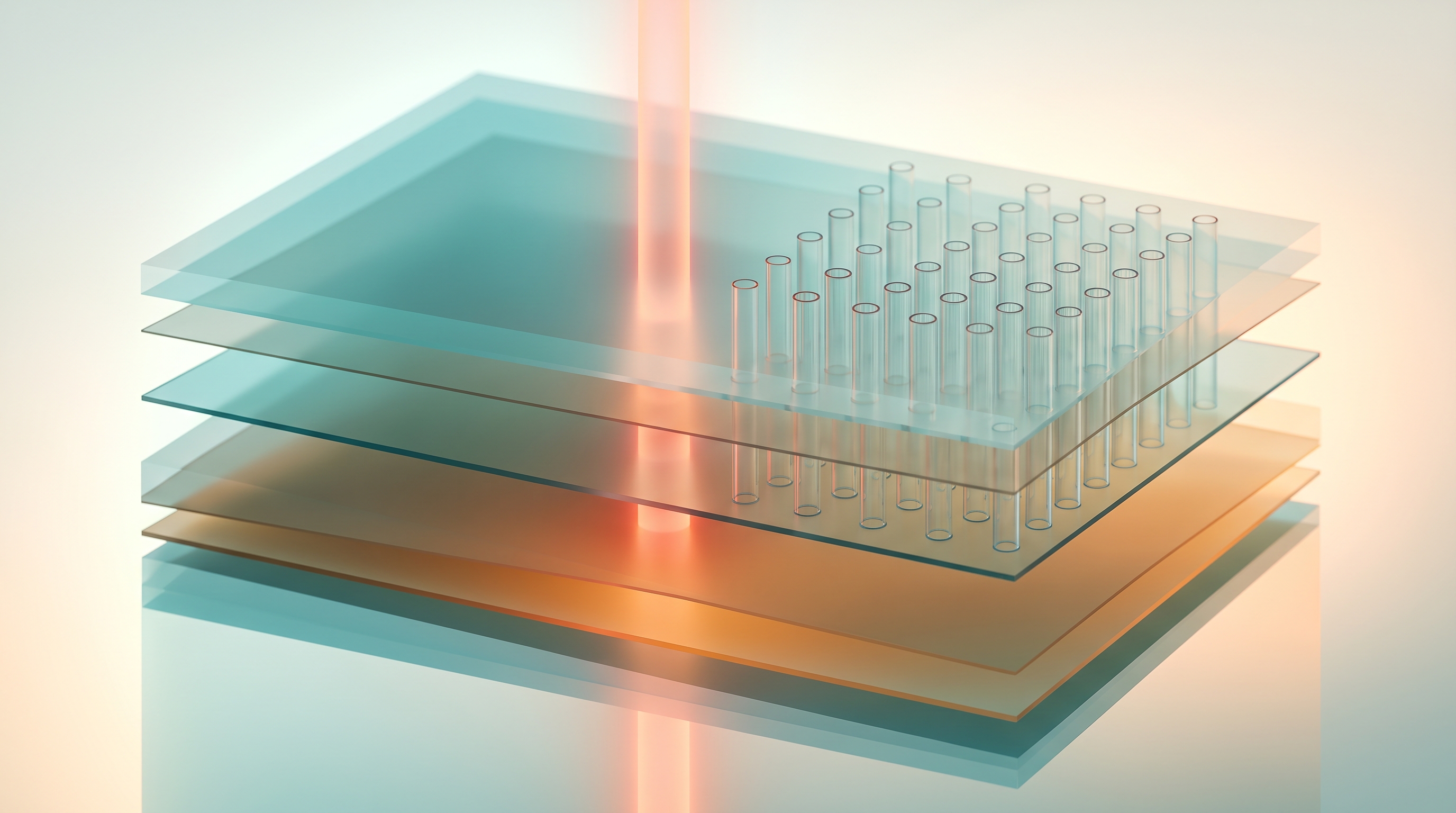
"Laser-coring" has started appearing in aesthetic device marketing as though it were a settled performance category. The underlying hardware in the current wave of interest is narrower and more specific than the phrase suggests: a 2,910 nm mid-infrared erbium-doped fluoride fiber glass laser, marketed as UltraClear by Acclaro Medical, which is presently the subject of an interventional clinical evaluation. That evaluation is registered publicly, and the registration is currently the most concrete technical description available to anyone outside the manufacturer. It confirms a wavelength, a source medium, a set of delivery modes, a treatment series and a target enrollment. It does not confirm a single energy-density figure. This piece separates those two categories deliberately, because most confusion about coring devices comes from readers treating a documented device description as documented device performance.
What the 2,910 nm wavelength designation actually describes
The registered intervention names the device precisely: a 2,910 nm mid-infrared erbium-doped fluoride fiber glass laser. Each part of that string carries information. The gain medium is a fluoride glass fiber doped with erbium ions, rather than the erbium-doped crystal used in familiar Er:YAG systems or the gas medium of a CO2 laser. A fiber architecture generally allows the emitting region to be a flexible waveguide instead of a rod, which is one reason manufacturers cite beam-delivery and thermal-management advantages — though no such engineering claim is quantified in the record.
The wavelength itself sits in the mid-infrared band that ablative dermatologic lasers occupy because water is the dominant chromophore there. That is standard optical context, not a finding from this evaluation. The record states the wavelength and the source; it does not publish an absorption coefficient, an optical penetration depth or any comparison of 2,910 nm against neighbouring mid-infrared emissions. Readers should treat the number as a device identity marker first, and resist converting it into an inferred tissue-interaction profile.
Three delivery modes in one protocol: fractional, coring, full ablation
The protocol description is unusually explicit about modality. Enrolled subjects receive a series of two treatments, with an optional third, using fractional ablative resurfacing modes, laser-coring and full ablation, addressing the full face and upper neck. So the platform is documented as multimodal rather than as a dedicated coring device, and the treatment cadence — two sessions, possibly three — is part of the registered design rather than a clinic's discretionary schedule.
"Laser-coring" is best read here as a delivery concept: removal of narrow tissue columns rather than a continuous ablated sheet or a fractional pattern of shallower microthermal zones. That is a description of intent, not a measured outcome. The record does not state how wide or deep those columns are, how densely they are placed, or how coring differs parametrically from the fractional mode listed alongside it. Anyone told that coring is categorically distinct from fractional ablation should ask which numbers establish the distinction.
Treatment regions and target conditions on the record
The stated primary objective is to evaluate safety and effectiveness for non-invasive dermatological aesthetic treatment of three facial regions: eyebrow lift, submental tissue lift, and improvement of rhytids and skin laxity in the cheeks, midface and jawline. The listed target conditions include rhytids and skin laxity. Those are the questions the evaluation was designed to ask.
That distinction matters more than it may appear. An objective statement is a hypothesis under test. Nothing in the record establishes that the device lifts an eyebrow, tightens submental tissue or improves laxity, and the region-by-region structure should not be read as a confirmed indication list. Marketing copy that reproduces those three regions as capabilities is quoting the study's aims, not its findings.
Study scale and status: how much evidence exists so far
The evaluation is interventional with a target enrollment of 40 subjects, and its status is active, not recruiting. Enrollment is closed and participants are still in the study or follow-up phase. No outcome data, adverse-event tabulation or completion information appears in the registry entry.
Forty subjects is a plausible size for an early aesthetic device evaluation, and it is also a reminder about evidentiary weight. A cohort of that scale can surface common tolerability signals and give preliminary effectiveness impressions; it is not built to characterise uncommon complications or to stratify results reliably across skin phototypes, ages or anatomical regions. The enrollment figure is a study design parameter and says nothing about how many people have been treated commercially or how popular the procedure is.
The parameters that are not published, and why they matter
The gaps in the record are specific and consequential. Fluence in joules per square centimetre, pulse duration, spot size, coring depth and repetition rate are all absent. So is any post-treatment histopathology describing the ratio of ablated tissue to surrounding coagulated tissue. These are exactly the variables that determine how an ablative platform behaves in skin.
Pulse duration relative to the thermal relaxation time of the target largely governs whether energy stays confined to the ablated column or spreads as residual thermal damage. Fluence sets whether ablation occurs at all and how deep each pass reaches. Coring depth and density determine how much tissue is removed per session and how the surrounding skin must close the defect. Without those figures, any statement that this laser produces more precise ablation, less thermal injury or faster recovery than a conventional CO2 or Er:YAG system is unfalsifiable — there is no published number on either side of the comparison to check.
Reading manufacturer claims against confirmed specification
A workable habit, and this is editorial guidance rather than anything drawn from the record: sort every statement you encounter into device identity, protocol design, objective or result. Wavelength, gain medium and product name are identity, and they are confirmed. Treatment series, modes and anatomical coverage are protocol design, also confirmed. Eyebrow lift, submental lift and laxity improvement are objectives. Results are currently an empty category, because the study is active, not recruiting, with nothing reported.
Two follow-up questions handle most remaining ambiguity. First, ask whether a cited performance figure comes with its measurement conditions — a coring depth quoted without the fluence and pulse duration that produced it is not a specification. Second, ask whether an impressive-sounding phrase is describing the mechanism or the outcome; "laser-coring" describes what the beam is meant to do to tissue, not what the tissue subsequently looks like. None of this is a judgement against the platform, which may well report solid data in time. It is simply an accurate description of where the public record stands today, and it is not a basis for any treatment decision, which belongs with a qualified clinician.
ClinicalTrials.gov aesthetic device protocols